Best Grey Snapper Fishing Key Largo FL
Grey Snapper Fishing in Key Largo - What to Expect

Fishing Charter by Captain Patrick Bale in November

- Set Sail With The Top Key Largo Fishing Charters!


Summary
A productive Saturday in October brought steady action on a fishing charter in Key Largo with Captain Patrick Bale of Capt Pat's Fishing and Boat Tours. The day yielded seven grey snapper, showcasing what the local waters consistently deliver for anglers targeting reef species in the Florida Keys.
Fishing Charter with Captain Patrick Bale - Rates & Booking
Captain Patrick Bale of Capt Pat's Fishing and Boat Tours led a fishing charter on Saturday, October in Key Largo. The day delivered solid results on the water, with quality grey snapper pulled consistently throughout the trip. To book your own fishing charter experience or learn about current rates and availability, contact Capt Pat's Fishing and Boat Tours directly. Captain Bale brings local expertise and knowledge of productive reef systems where grey snapper hold year-round.
Highlights of This Fishing Charter
The day's catch of seven grey snapper represents solid performance on a typical Key Largo fishing charter. These fish were landed on productive reef structure, showcasing how consistent the fishing remains in these waters. The white deck setup allowed clean display of the catch, a standard part of the charter experience where clients can photograph their results and understand exactly what they're taking home.
What makes Key Largo fishing notable is the accessibility to reliable snapper populations combined with the structure that holds them. The reef systems here produce fish regularly, and targeting them offers both action and quality eating fish. Captain Bale's approach focuses on proven techniques and locations that consistently put fish on the boat.
Local Species Insights: Grey Snapper
Grey snapper are a cornerstone species for Key Largo fishing charters. These fish inhabit reef structures, wrecks, and rocky outcrops throughout the Keys, where they feed on small baitfish and crustaceans. They're strong fighters on appropriate tackle and quick strikers when presented with live bait or cut offerings near structure.
What makes grey snapper appealing to anglers is their accessibility and consistency. Unlike some species that require perfect conditions or seasonal windows, grey snapper bite throughout the year in Key Largo waters. They school in predictable areas, allowing experienced guides like Captain Bale to locate productive zones quickly. The fish don't require specialized techniques - standard reef fishing approaches work reliably.
The habitat supporting grey snapper in Key Largo encompasses shallow reef systems, patch reefs, and deeper structure that remains within reasonable depth for small boat fishing. These fish are bottom-oriented, holding tight to structure where they gain protection and ambush feeding opportunities. The clarity of the water here allows anglers to see structure on the depth finder and understand the environment they're fishing.
Size-wise, Key Largo grey snapper typically range from 8 to 16 inches, with larger specimens occasionally appearing. The seven fish shown represent a solid day's catch of market-size snapper - fish that are healthy, worth the effort to land, and excellent table fare. Their firm meat makes them popular for local restaurants and residential catches alike.
Temperature, tide, and seasonal patterns influence grey snapper behavior, but the consistency of this species makes them a reliable target when other opportunities might be limited. A guide with Captain Bale's experience knows how these variables shift throughout the year and adjusts approach accordingly.
Fishing in Key Largo: Grey Snapper
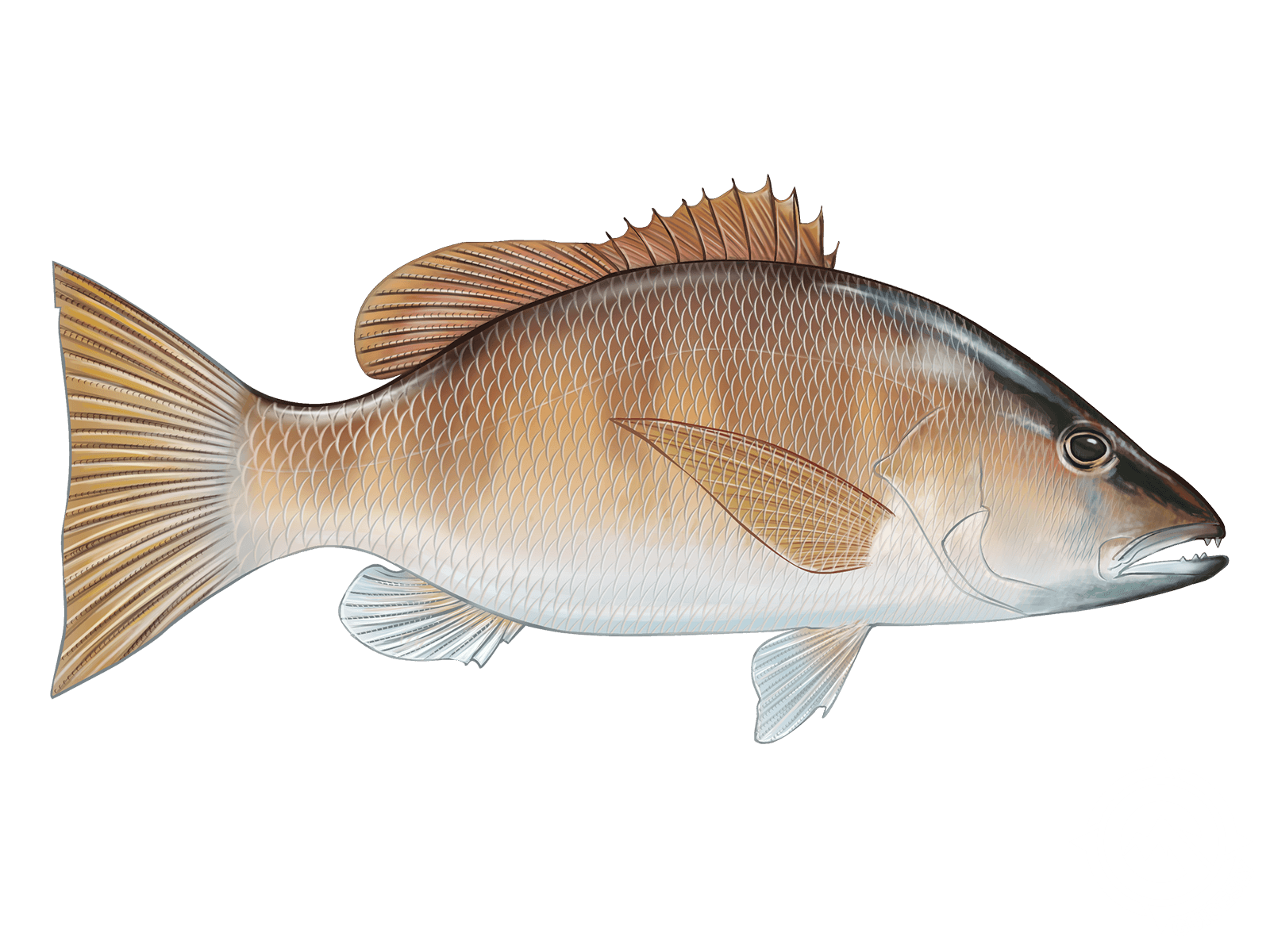
Grey Snapper Overview
The Grey Snapper, scientifically known as Lutjanus Griseus and commonly called the Mangrove Snapper, is a member of the Lutjanidae family within the order Perciformes. This remarkable fish is instantly recognizable by its striking greyish-red coloration that transitions from copper-red to brilliant red, along with a distinctive dark stripe running across its eye. With a pointed snout, thin lips, and small teeth, the Grey Snapper is one of the most abundant snapper species and a favorite among anglers and seafood enthusiasts alike. Found throughout warm to temperate waters from coastal reefs to mangrove-lined backcountry, this swift, nocturnal hunter is native to regions where it thrives as an opportunistic predator, making it a fascinating subject for both observation and fishing experiences.
Grey Snapper Habitat and Distribution
Grey Snappers are creatures of structure and cover, preferring environments rich with natural and artificial obstacles. They inhabit canals, grass flats, mangrove forests, rocky outcrops, shipwrecks, and debris fields in warm to temperate waters. These fish are distributed across onshore and nearshore reef systems, backcountry flats, rivers, and lakes where water conditions remain stable and prey is abundant. The species thrives in areas with strong water columns and complex bottom structures that provide ideal ambush points for their opportunistic hunting style. Whether you're exploring shallow backcountry regions or deeper reef systems, Grey Snappers are likely to be present in any location offering adequate cover and consistent food sources.
Grey Snapper Size and Weight
While Grey Snappers typically measure between 10 to 14 inches and weigh 1 to 2 pounds when found inshore, they can achieve significantly larger proportions in open water environments. Specimens caught offshore commonly reach weights of 20 pounds, though inshore fishing typically yields catches of 3 to 4 pounds. The size range for notable catches generally falls between 30 to 35 inches in length, with weights reaching up to 8 pounds in productive fishing waters. Juvenile Grey Snappers tend to display darker coloration than their adult counterparts, making them visually distinct at different life stages.
Grey Snapper Diet and Behavior
As opportunistic carnivores, Grey Snappers display flexible feeding habits and are most active during nighttime hours. Young specimens congregate near seagrass beds where they feast on a variety of crustaceans and smaller fish, while juveniles and adults alike will consume zooplankton when available. Their diet becomes increasingly piscine as they mature, focusing primarily on small fish and crustaceans. These swift swimmers are not aggressive toward humans but are highly effective ambush predators, using their speed and structural cover to seize feeding opportunities. The nocturnal nature of Grey Snappers means they feed and move most actively after sunset, making them particularly responsive to nighttime fishing efforts.
Grey Snapper Spawning and Seasonal Activity
Grey Snappers display remarkable reproductive behavior, spawning millions of eggs during full moon periods. This synchronized spawning pattern contributes to their status as the most abundant species within their genus, ensuring healthy population numbers across their range. The lunar-driven spawning cycle means that fishing success can vary depending on moon phases, with some anglers noting increased activity and feeding before and after major spawning events. Understanding these seasonal patterns can significantly enhance your chances of successful encounters with this prolific species.
Grey Snapper Techniques for Observation and Capture
Live Bait Method (Primary Technique): The most effective approach for catching Grey Snappers involves using live bait, particularly live shrimp or mud minnows. Thread your line through a bobber and tie it to a 4J hook, ensuring your line can withstand abrasion. Insert the hook through the tail of your shrimp rather than the head to maximize bait longevity. Allow your bait to sink to the bottom, then reel up slightly to prevent snagging. Position yourself at beach piers, docks, or near water column structures where Grey Snappers congregate. Since these fish are opportunistic hunters, avoid excessive bobbing or movement that might deter them. Wait patiently for a tug, then reel steadily to set the hook before slowly bringing your catch to the surface.
Structural Fishing (Secondary Technique): Target mangrove forests, rocky reefs, shipwrecks, and debris fields during both day and night. In open water, allow your bait to sink deep into reef systems to draw out larger specimens. The complex structure provides the cover these ambush predators prefer. Cast near pilings, undercut banks, and fallen trees in river and lake environments.
Timing and Location Insight: Around popular fishing destinations in coastal Florida and throughout the Gulf region, evening and night fishing during full moon periods often produces exceptional results. Early morning hours before sunrise also yield productive catches as nocturnal feeders transition back to deeper resting areas.
Grey Snapper Culinary and Utilization Notes
The Grey Snapper has earned a stellar reputation among seafood enthusiasts for its exceptional table qualities. The meat is prized for being white, flaky, and tender with a mild, delicate flavor that appeals to diverse palates. Rich in high-quality protein and omega-3 fatty acids, this snapper provides excellent nutritional value. The species' culinary popularity combined with its abundance makes it both a sustainable and delicious choice for coastal dining. Whether grilled whole, filleted and pan-seared, or prepared in traditional fish stews, the Grey Snapper delivers consistent culinary satisfaction.
Grey Snapper Frequently Asked Questions
Q: What is the best bait for catching Grey Snappers?
A: Live shrimp rigged through the tail and live mud minnows are the top choices recommended by experienced anglers. The key is keeping your bait alive and naturally presented near the bottom where these opportunistic hunters patrol.
Q: Where can I find Grey Snappers in coastal waters?
A: Look for them around mangrove forests, grass flats, rocky reefs, pilings, docks, and shipwrecks. In backcountry environments, structure is your best indicator of Grey Snapper presence. Around Florida's Gulf Coast and throughout southern coastal regions, these habitats consistently hold productive populations.
Q: Is the Grey Snapper good to eat?
A: Absolutely. The Grey Snapper is highly regarded for its white, flaky, tender meat with a mild flavor. It's an excellent eating fish with good nutritional value, making it a favorite among both recreational and commercial fishermen.
Q: When is the best time to catch Grey Snappers?
A: While Grey Snappers are active throughout the year, they are primarily nocturnal feeders, making evening, night, and early morning hours most productive. Full moon periods trigger spawning and often increase feeding activity, making them excellent target dates for fishing trips.
Q: How do I distinguish a Grey Snapper from a Cubera Snapper?
A: Open the fish's mouth and examine the tooth patch. Grey Snappers have a triangular-shaped tooth patch without extensions, while Cubera Snappers display an arrow-shaped patch with extensions. This distinctive difference is the most reliable identification method.
Q: What makes Grey Snappers different from other snapper species?
A: Beyond their unique tooth structure, Grey Snappers are distinguished by their greyish-red coloration, dark eye stripe, pointed snout, and thin lips. They're also more abundant than most other snapper species and prefer shallower, structure-rich environments like mangrove forests and grass flats.